
We Need Great Transit Options to Denver’s Stadiums, Theaters and Large Venues
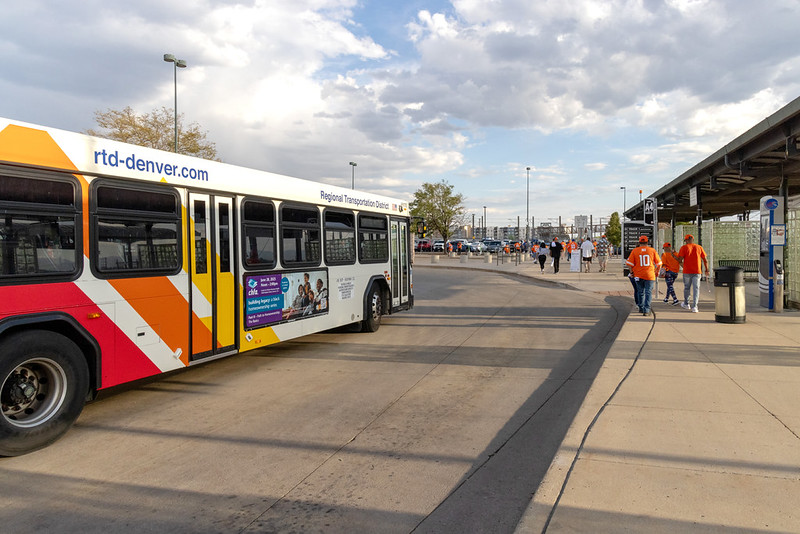
Image Courtesy of RTD
Denver is Home to Amazing Venues
The City and County of Denver is home to great stadiums, theaters and music venues that support major sports teams like the Rockies, Broncos, Avalanche and Nuggets, host major concerts from Taylor Swift and Cardi B to Luke Bryan and Ed Sheeran and showcase everything from monster truck rallies to Broadway musicals to political conventions.
Denver’s major venues, including Ball Arena, Coors Field, Empower Field at Mile High, Mangess Arena, Mission Ballroom, Fillmore Auditorium, Denver Performing Arts Complex, Denver Coliseum, Bellco Theater and Red Rocks Amphitheatre, draw thousands of people to each event.
And Denver’s major venues are set to grow in the next five years, with a new stadium for the Denver Summit FC and a potential new stadium and entertainment complex for the Broncos near Burnham Yard. There will also be a major redevelopment around Ball Arena and around the current Broncos stadium if the Broncos move.
Many of these venues draw in tens of thousands of people every week – some draw tens of thousands of attendees to a single event. They also employ lots of people. That means tens of thousands of people all heading to the same destination at the same time. If most people drive their cars to get to these venues, that creates congestion, pollution, parking pressures, and safety impacts throughout Denver.
Denver’s large venues are the perfect places to provide excellent transit service and options.
Denver’s World Class Venues Need World Class Transit Options
Buses and trains can move lots of people efficiently into and out of games, concerts and shows.
So, improving transit service to Denver’s world-class venues would deliver substantial benefits for event attendees, venue owners and employees and all Denver residents.
The more people who choose to ride a bus or train to games and shows, the fewer cars will be fighting for limited space on the roads and parking lots in and around these venues. The benefits include:
1. Reduced costs – Transportation is the second-highest cost for households in the Denver metro area and high gas prices only add to the cost burden. Riding public transit is nearly ten times cheaper than owning a car and can save someone more than $13,000 a year. Therefore, better transit service can help many Denverites cut their transportation costs. Better transit to Denver’s large events would also help attendees and venue workers save money by avoiding high parking fees and surge pricing for shared rides (like Lyfts and Ubers) after games, concerts, and shows.
2. Reduced traffic – Giving event attendees the ability to opt-out of traffic and ride transit instead means fewer cars merging onto or off the interstates and major streets that pass Denver’s major venues including I-25 Speer Blvd, Park Ave and Federal Blvd. This also reduces overflow parking in nearby neighborhoods and traffic on smaller, local streets.
3. Increased safety – The number of fatal crashes has been trending upward over the last 10 years, rising to 717 deaths statewide in 2025. Crashes resulting in serious injuries have followed a similar trajectory. Transit is 10 times safer per mile than driving a car so more people riding transit will save lives. This is particularly important for people who should not get behind a wheel after a show, game or concert.
4. Reduced pollution – Reducing the number of cars, especially idling cars stuck in traffic coming or leaving a venue, will reduce air pollution at the venue and provide cleaner air for everyone. This is particularly important because Denver has some of the worst air pollution in the country. Our region is also dealing with extreme weather fueled by climate change, which undermines our health, security, and quality of life.
5. Better access to entertainment, jobs, schools and medical appointments – The major transit lines that serve Denver’s large venues also connect people to destinations across the entire city. By expanding and improving transit options to large venues, we can improve general access to daily needs and destinations like universities, schools, major entertainment areas and main streets, hospitals and employment centers.
Improving Transit to Denver Venues Improves Transit for Everyone
What does good transit look like? Survey after survey shows that people want a better transit system with service that is fast, frequent, and reliable. And those fast, frequent, and reliable routes need to connect people to their destinations. That means trains and buses that come every 10 to 15 minutes late into the evening, so people aren’t waiting 30 minutes to an hour after a game or concert, or worse, leaving early to avoid missing the last bus.
Denver’s current and future venues are along a set of key streets and travel corridors including Speer Blvd, Federal Blvd, Colfax Ave, 8th Ave, 6th Ave, Park Ave, Broadway, Brighton Blvd, York St., Josephine St., University Blvd and Evans Ave.
Focusing transit improvements on these major thoroughfares will not only benefit people going to large venues, but also Denver residents making daily trips for work, school, food, entertainment and medical appointments.
A Transit Vision for Our Major Venues
The map below shows priority transit routes identified in the Denver Moves Transit (DMT) Plan that serve major event venues in Denver. DMT sets the goal of buses running every 15 minutes or more frequently along these corridors, every day of the week, from early in the morning to late in the evening. Routes shown in green currently meet or come close to that goal, whereas routes in yellow, orange, and red currently have less frequent service, or no service at all.
Major transit routes in Denver that connect to large venues and how close they are to meeting Denver Moves Transit’s service goals
Key investments on these routes would include “buying up” bus service so there are more buses that come more often, and making simple improvements along the nearly dozen streets connecting major venues to increase the speed and reliability of the service.
In addition to improving the bus service in Denver, there are numerous rail lines that connect to Denver’s large venues that should also have a high level of frequency from early morning to late evening. Recently, RTD (Regional Transportation District), which built and runs the train lines, has increased frequency on many of those lines to 15 minutes.
Now is the Time to Improve Transit in Denver
With (most) of Denver’s sports teams making playoff runs, huge superstars making stops in the Mile High city, big redevelopments happening around Ball Arena and new major venues for the FC Summit and the Denver Broncos on the horizon, now is the time to ensure we have world-class transit options to go with our world-class venues.
The City and County of Denver should find ways to invest in a fast, frequent, and reliable system within the city. It should not sit back and wait for RTD to make transit decisions for the city. By expanding transit service and making speed and reliability investments along key corridors, Denver can make sure that every major venue is connected by safe, frequent service that doesn’t leave residents stranded at the bus stop.
Not only will great transit options improve safety and reduce costs, traffic and pollution for attendees and venue employees, the whole city will benefit by having better transit options to connect to destinations outside of these venues that are also along these major corridors.
Report Authors:
Danny Katz
Executive Director, CoPIRG Foundation
Matt Frommer
Transportation & Land Use Policy Manager, Southwest Energy Efficiency Project (SWEEP)
Jill Locantore
Executive Director, Denver Streets Partnership