
Colorado Boulevard
Colorado Boulevard is one of the most important corridors on Denver’s east side. It connects the northern and southern edges of Denver and links the city with Glendale. But today, Colorado Boulevard functions more like a highway through the city than a main street.
Advocate for a better Colorado Blvd Read the letter signed by 18 organizations
The Challenge
It is difficult and uncomfortable to travel on Colorado Boulevard by any means other than a car. People walking, biking, or taking transit often face dangerous crossings, long delays, and poor infrastructure. The corridor was gradually redesigned over the past century to move more and more vehicle traffic. The result is a congested corridor that works poorly for many of the people who rely on it.
With the right investments, Colorado Boulevard can become safer, faster for transit, and more welcoming for everyone, which in turn will help the local businesses along the corridor thrive.
Safety Concerns
Colorado Boulevard is part of the high-injury network identified by the Denver Regional Council of Governments and the City and County of Denver, meaning it is among the streets with the highest rates of serious crashes.
Crash data (2018–2022):
- 3,336 total crashes
- 113 crashes involving people walking or biking
- 89 fatal or serious injury crashes
- 21 severe crashes involving pedestrians or bicyclists
Even though people walking and biking were involved in just 3.4% of crashes, they made up nearly 25% of the most serious crashes. Dig into more crash data on our Vision Zero page.
Difficult for People on Foot
- Pedestrians must cross six or more travel lanes
- Some crossings exceed 100 feet from curb to curb
- Safe crossings can be nearly half a mile apart
- Sidewalks in some areas are narrow, deteriorated, or missing entirely
Slow and Unreliable Transit
Colorado Boulevard carries one of the busiest bus routes in the RTD system. But today buses are frequently stuck in traffic, leading to long and unreliable travel times.
The Opportunity
Colorado Boulevard is an important component of the long-term regional vision to make transit fast, frequent, and reliable across the Denver metro area. The corridor is one of 11 planned bus rapid transit (BRT) corridors in the Denver Regional Council of Governments 2050 Regional Transportation Plan. Other plans that call for BRT on Colorado Boulevard include:
Following completion of the 2024 Colorado Boulevard Corridor Plan [PDF], CDOT is now studying potential transit improvements through an alternatives analysis. Options under consideration include:
- Center-running BRT
- Side-running BRT
- Buses in mixed traffic, like they are today
Another important project is the 303 ArtWay Heritage Trail, a community-driven plan for a four-mile walking and biking loop connecting the 40th and Colorado Station to destinations across Northeast Park Hill. The trail would include new connections along and across Colorado Boulevard. Funding for the project was included in the Vibrant Denver Bond approved by voters in November 2025.
What success looks like
If implemented well, Bus Rapid Transit on Colorado Boulevard can improve transit service while making the street safer and more comfortable for everyone.
Key ingredients for success include:
-
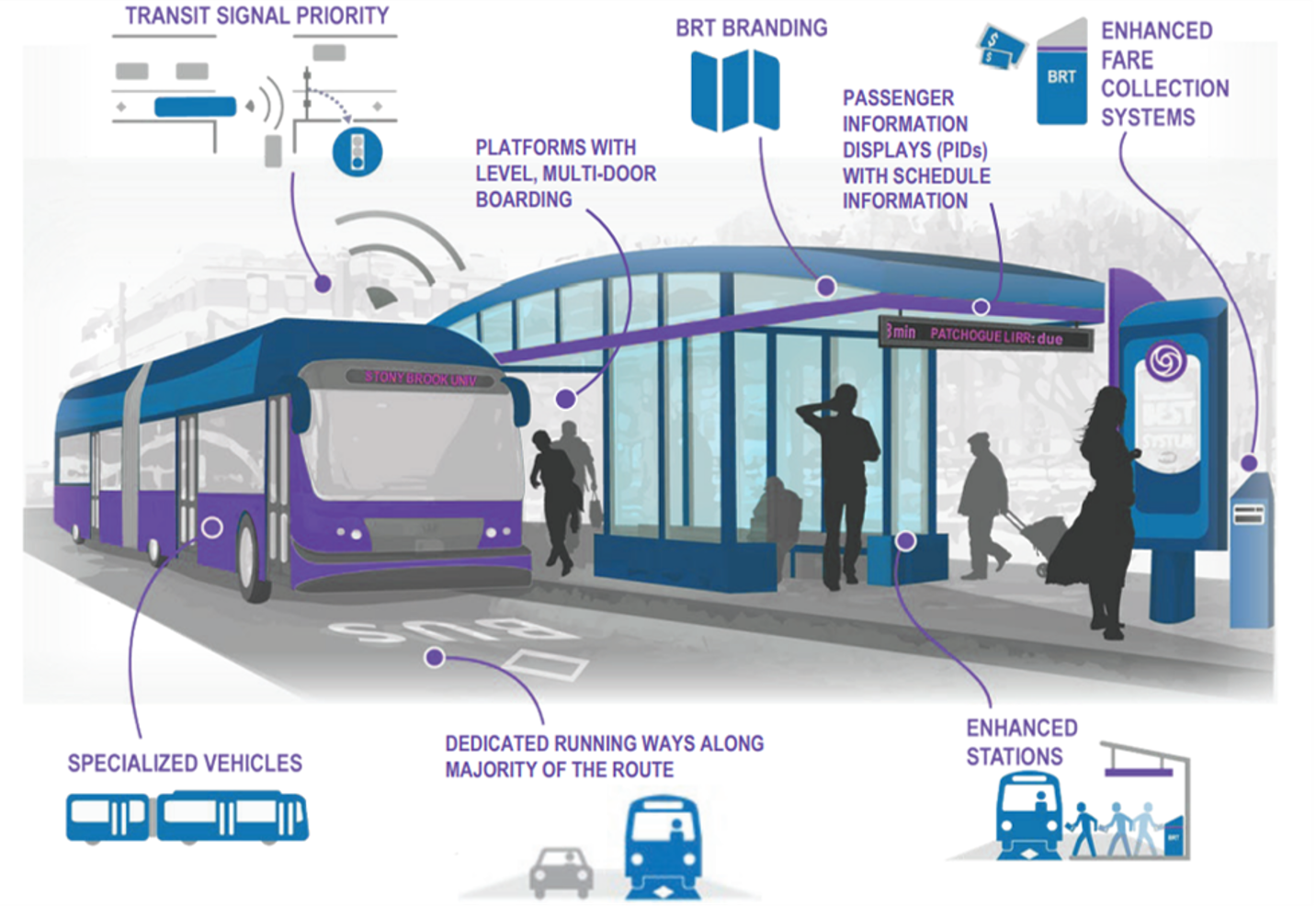
- Dedicated bus lanes – Convert existing traffic lanes to bus-only lanes along the entire corridor. This keeps buses out of traffic and helps calm vehicle speeds, improving safety for everyone.
- Transit Signal Priority (TSP) – Allow buses to communicate with traffic signals so they receive green lights more often and spend less time waiting at intersections.
- Better bus stops and stations – Provide comfortable waiting areas, off-board fare payment, and level boarding so people can enter through any door without stepping up.
- Frequent, all-day service – Run buses every 5–10 minutes, from early morning through late evening, on weekdays and weekends.
- Safer, more comfortable sidewalks – Build well-maintained sidewalks along the corridor, wide enough to accommodate both people walking and on bikes, with trees or landscaped buffers between people walking and moving traffic.
- Safe pedestrian and bicycle crossings located frequently along the corridor.
- Traffic calming measures to reinforce safe vehicular speeds, including narrowing lanes.
Advocate for a better Colorado Boulevard!
Don’t have a lot of time? Sign the petition, and share with others:
Sign the petitionWant to do more? Take CDOT’s survey, and let them know a bus-only lane is essential for the success of BRT
Use this guide to help you with how to answer the survey questions
Take the surveyAre you really fired up? Join the Action Team to commit to doing your part to advocate; if you have time and passion, you can join a subgroup planning outreach activities to help win the campaign!
Join the Action TeamCheck out our calendar of events related to organizing for real BRT on Colorado Boulevard
Go to the calendar